
Why Does Tooth Pain Come and Go Without a Cavity?
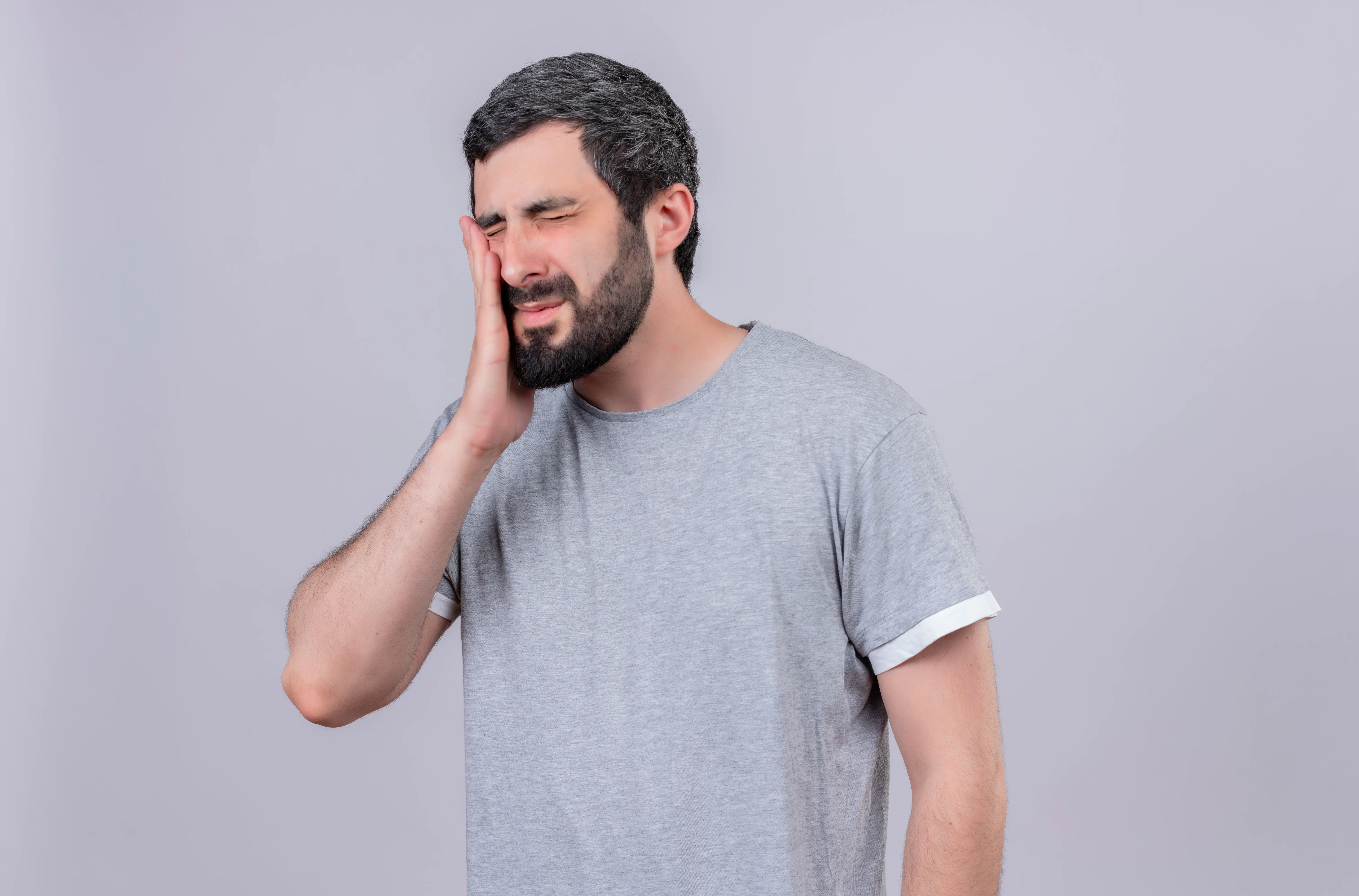
Image credit: Freepik
Is It Normal for Tooth Pain to Come and Go Without a Cavity? (Quick Answer)
Yes—it’s actually very common. Tooth pain that comes and goes is usually linked to temporary enamel sensitivity, not permanent damage or cavities.
In most cases, this is not a structural issue—but a systemic one involving enamel weakening, salivary pH instability, and microbial activity. When this internal balance is not corrected, the condition tends to progress over time, making symptoms more frequent and more intense.
Here’s what’s happening inside your teeth:
Why Tooth Pain Comes and Goes (What’s Really Happening)
If your tooth pain comes and goes throughout the day, you’re not imagining it—and it usually doesn’t mean you have a cavity.
This type of intermittent pain is often triggered by temporary sensitivity inside the tooth, which can appear suddenly and disappear within minutes—especially when exposed to triggers like temperature changes, similar to what happens when cold air causes sudden tooth pain.
Why Sudden Sharp Tooth Pain Comes and Goes After Eating
In many cases, this pain is triggered right after eating—especially sweets or acidic foods.
This pattern of pain that comes and goes is often misunderstood as random, but in reality, it follows a biochemical cycle inside the mouth driven by pH fluctuations and microbial activity, often overlapping with acid-triggered tooth pain patterns.
In many cases, recurring tooth pain that comes and goes is linked to early enamel weakening rather than visible decay, often reported in cases where dentists cannot find a clear cause of tooth sensitivity. Some protocols focus on restoring mineral balance in the mouth to reduce these sudden pain cycles — including approaches that support enamel remineralization at a deeper level — such as structured mineral protocols designed to stabilize the oral environment over time.
The pH Factor: How Saliva Acidity Triggers Nerve Sensitivity
Saliva is your mouth's natural defense mechanism, and one of the main reasons why tooth pain comes and goes throughout the day. Its job is to buffer acids and maintain an alkaline state. However, when the system is overwhelmed, the protective shield of the enamel softens.
The Critical pH Threshold (5.5) and Enamel Softening
Science indicates that 5.5 is the "breaking point" for human enamel. Below this level, the crystalline structure of the tooth begins to dissolve. This microscopic softening allows external triggers to reach the nerve, causing pain without a physical hole being present.
4 Reasons for Pain Without a Visible Cavity
1. Fluctuating Oral pH Spikes
Frequent snacking or sipping acidic drinks keeps the mouth in a state of chronic acidity, a common trigger behind sugar-induced tooth sensitivity. This prevents the remineralization window from closing, leaving tubules exposed to triggers like sugar or temperature.
2. Gum Margin Exposure (Recession)
As gums recede, the softer cementum of the root is exposed, often leading to localized symptoms like inflammation around a single tooth.
3. Nighttime pH Drops & Sleep Apnea Connection
Mouth breathing during sleep dries out saliva, removing the buffering agents and contributing to patterns like stress-related saliva pH imbalance. This leads to severe morning sensitivity as the oral pH plummets through the night.
4. Micro-leaching of Trace Minerals
Stopping the pain requires more than brushing; you must re-harden the matrix using essential trace minerals for enamel remineralization.
Cavity Pain vs. pH Sensitivity
| Feature | Cavity (Physical Decay) | pH-Related Sensitivity |
|---|---|---|
| Pain Consistency | Persistent / Increasing | Intermittent (Comes & Goes) |
| Main Trigger | Pressure or Constant | Sugar, Acid, or Temperature |
| Visible Sign | Dark spots or holes | Often no visible damage |
| Root Cause | Structural bacterial damage | Chemical/Mineral imbalance |
Diagnostic Steps: How to Identify pH Imbalance at Home
If your tooth pain comes and goes at specific times — especially after eating or during the night — it may indicate your enamel is under repeated stress, similar to what is seen in chocolate-triggered tooth pain. Some structured approaches focus on stabilizing the oral environment continuously rather than reacting to pain episodes, including protocols designed to support enamel strength and reduce recurring sensitivity.
Pay attention to the timing. If the pain occurs primarily 15-30 minutes after eating or immediately upon waking up, it is highly associated with a salivary pH issue rather than a structural cavity.
Rebalancing the Oral Ecosystem for Permanent Relief
If your tooth pain comes and goes frequently, it may be a sign your enamel is not fully protected. Approaches that support enamel remineralization and restore oral balance — such as the microbiome-based protocol analysis — are often explored to help reduce sudden and recurring sensitivity.
If your tooth pain comes and goes throughout the day, it is often a sign that your enamel is reacting to internal fluctuations rather than structural damage. In many cases, this pattern is directly influenced by how your saliva pH controls enamel stability and how temporary acid spikes expose nerve pathways. This same mechanism is frequently linked to sugar-triggered sensitivity, where discomfort appears suddenly and disappears as the oral environment shifts. You can explore how these patterns are connected here: Why teeth hurt when eating sweets without cavities. Since these cycles are often influenced by microbial activity, deeper analysis also looks at how bacterial imbalance affects enamel resilience over time: See microbiome-focused strategies, safety & research insights.
FAQ
Can stress change my mouth's pH?
Yes. Stress increases cortisol, which can reduce saliva flow and its buffering capacity, leading to a more acidic environment and pain.
Why does the pain stop after a few minutes?
This is the time it takes for your saliva to buffer the acids and begin the remineralization process, closing the "nerve pathways" temporarily.
Is intermittent pain dangerous?
While not always a cavity, it indicates active enamel leaching which can lead to structural loss if not addressed systemically, often aligning with patterns like sweets-triggered tooth pain without cavities.
Stop wondering why your tooth pain comes and goes.
Download the 5-Minute Enamel Protocol and discover how to lock your saliva in a healing, alkaline state 24/7.
See the Microbiome-Based Solution →