
Best Trace Minerals for Teeth Remineralization (2026): What Actually Strengthens Enamel
Reviewed by: Dr. Alexander Thorne, DDS – Oral Microbiology Researcher
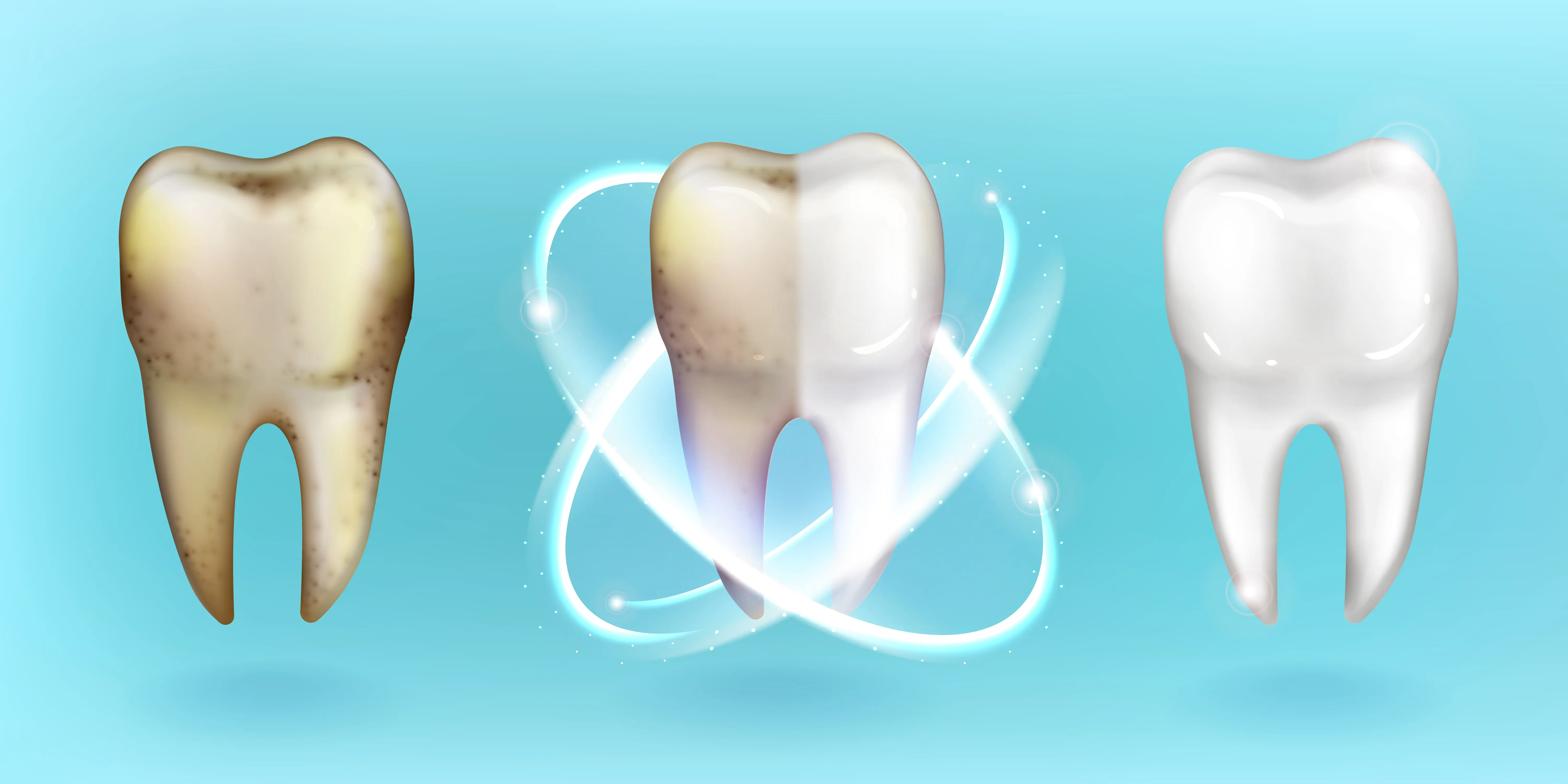
Trace minerals such as zinc, magnesium, and manganese are associated with improved enamel mineral density by supporting hydroxyapatite structure stabilization and salivary buffering capacity.
These minerals support enamel hardening by helping calcium bind effectively to the tooth structure and restoring the density of the hydroxyapatite matrix. This process is commonly referred to as enamel remineralization, a biological mechanism influenced by salivary pH, ionic mineral availability, and oral microbiome balance.
If you're trying to understand how to remineralize teeth naturally, the issue is often not hygiene, but mineral availability. Without the right trace elements, enamel becomes porous, leading to sensitivity and early-stage demineralization.
Your teeth are living organs that require a constant bath of mineral-rich saliva. To reverse enamel loss, we must re-introduce specific trace minerals that the body can use to rebuild the matrix from the inside out:
Key Trace Minerals for Enamel Remineralization
- Zinc: Supports enamel repair and disrupts harmful biofilm formation.
- Magnesium: Regulates calcium binding, allowing enamel to harden effectively.
- Manganese: Contributes to deep remineralization of dentin structures.
Why Trace Minerals Matter More Than Calcium Alone
Most enamel repair strategies focus only on calcium. However, without trace minerals like magnesium and zinc, calcium cannot properly bind to enamel.
This is why many people continue to experience sensitivity even with good oral hygiene — the underlying mineral balance is incomplete.
The Molecular Buffer: Why Fluoride Alone Often Fails
Traditional dentistry has leaned heavily on topical fluoride. However, 2026 clinical data suggests that fluoride without a supporting mineral ionic synergy is like trying to paint a wall that is crumbling from the inside. If your salivary pH is chronically acidic (below 5.5), fluoride cannot bind effectively.
True enamel hardening occurs when your saliva acts as a continuous mineral delivery system. By optimizing trace minerals systemically, you increase your saliva's buffering capacity, allowing it to neutralize acids from sugar and bacteria before they can trigger decalcification.
Signs Your Enamel is Losing Mineral Density:
- Sugar Pain: Sharp stings when eating sweets, indicating porous enamel tubules.
- Transparent Edges: The tips of your teeth look "clear" or see-through.
- Chalky White Spots: Early-stage decalcification zones where minerals have leached out.
- Chronic Sensitivity: Pain triggers from cold air or water that linger for more than 5 seconds.
Optional: Get the Enamel Repair Protocol
Learn how to deliver these exact minerals to your teeth in 5 minutes a day using the Enamel Repair Protocol.
As detailed in my analysis of the The Oral Microbiome & Enamel Strength Blueprint, the health of your teeth is a reflection of your internal ecosystem.
Frequently Asked Questions
1. How long does natural remineralization take?
Initial mineral density improvements can often be detected via salivary testing within 21 to 30 days of consistent ionic mineral support.
2. Can I reverse white spots from braces?
Yes. Post-orthodontic white spots are prime candidates for remineralization protocols because the enamel matrix is usually still intact but porous.
While trace minerals like zinc, magnesium, and manganese are essential for enamel remineralization, most diets fail to deliver them in the correct ratios for effective absorption.
While understanding trace minerals is essential, applying them effectively is where most people fail. Some formulations are designed to deliver these minerals in precise ratios that support real enamel recovery.
To see how this works in practice, review the full ingredient breakdown and how these trace minerals are delivered in real-world formulations.
Essential Clinical Research:
- Systemic Cause: The Oral Microbiome & Enamel Strength Blueprint
- The pH Factor: Saliva pH: The Invisible Force Behind Tooth Pain
- Formula Analysis: Molecular Ingredients for Internal Tooth Recovery