Calcium Deposits vs Enamel Erosion: Are White Spots Permanent or Reversible?
Reviewed by: Dr. Alexander Thorne, DDS – Oral Microbiology Researcher
Internal Void (Enamel Erosion): [|||.......] pH Acidic
*Status: Diagnostic confusion detected. Salivary pH stabilization required for both pathologies.
In simple terms: calcium deposits form on the surface of teeth, while enamel erosion happens inside the tooth structure — and that’s why they are often confused.
Calcium deposits are surface buildup (tartar). White spots are internal enamel damage (enamel erosion).So what is the actual difference between calcium deposits and enamel erosion — and how can you tell which one is causing your white spots?
👉 White spots on teeth are usually early enamel damage — not surface stains.👉 In early stages, they can still be reversed if mineral balance is restored.
👉 If ignored, they often become permanent damage or cavities.
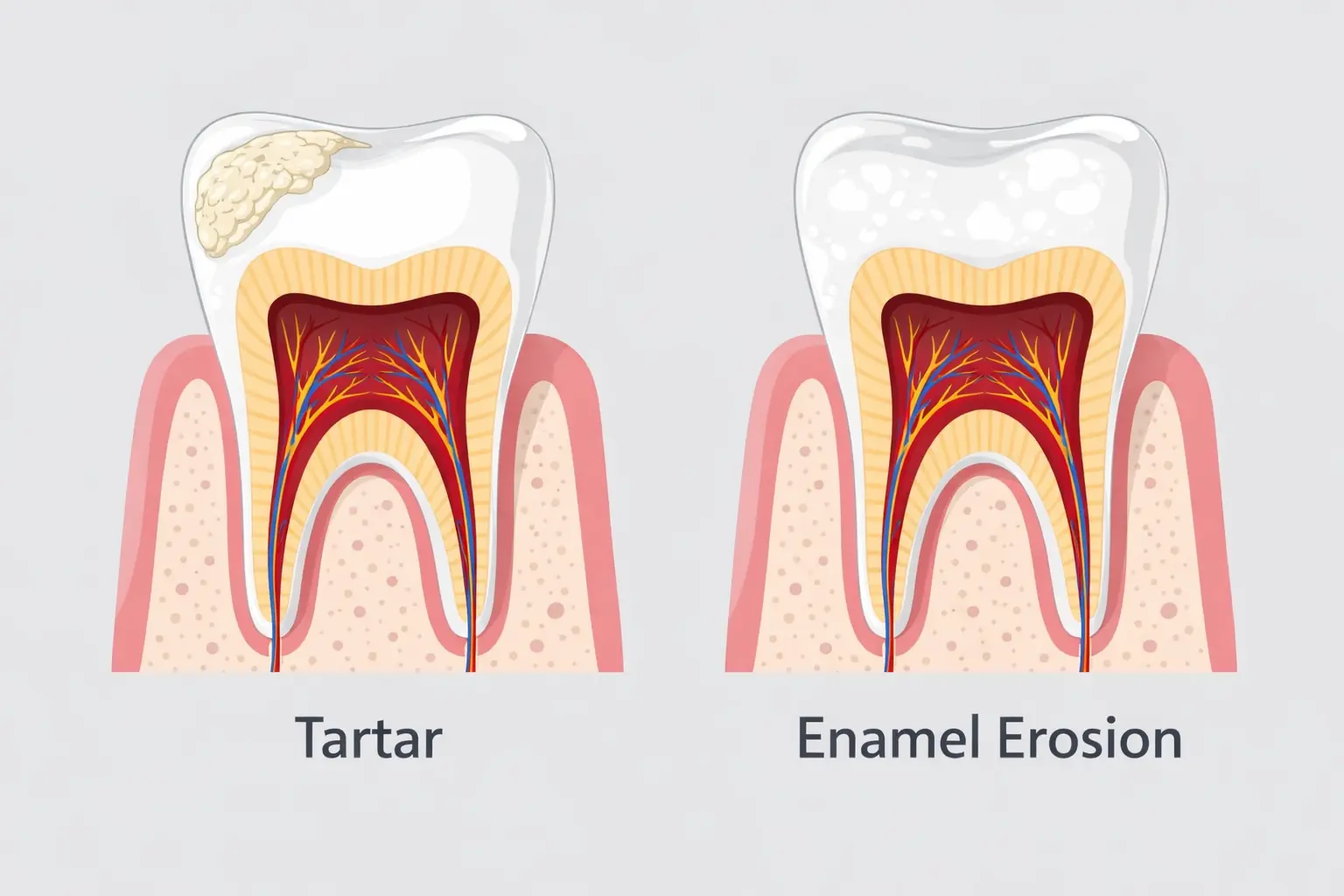
Most people misdiagnose this completely. What many call “calcium deposits” is often early enamel erosion — and treating it like surface buildup can actually accelerate the damage.
White spots are not just cosmetic. In many cases, they are the first visible sign that your enamel is weakening from within, long before a cavity forms.
Many people describe these as calcium buildup on teeth or white stains on teeth — but in many cases, they are actually early signs of enamel erosion.
Calcium Deposits vs Enamel Erosion: Which One Causes White Spots?
This is where most people get it wrong. White spots are not just stains. They are early signs your enamel is losing minerals faster than it can rebuild. If nothing changes, they often turn into permanent damage.
white spots on teeth after braces (enamel damage): Localized Demineralization
Developing white spots braces patients often notice after removal is a classic sign of localized enamel breakdown. If you are struggling with white spots on teeth after braces, standard brushing is insufficient. You need a protocol to reverse tooth demineralization naturally by flooding those porous zones with bio-available trace minerals before they turn into full cavities.
Why Enamel Stops Repairing Itself (And Why White Spots Become Permanent)
Enamel does not break overnight, it weakens gradually when your mouth stays in a demineralized state. When minerals are constantly pulled away, your teeth lose the ability to repair themselves. This is why white spots often appear first, they are early warning signs that cavities may develop next if the enamel is not rebuilt in time.
At a deeper level, enamel breakdown is strongly associated with changes in salivary pH and the activity of pathogenic biofilms. When the oral microbiome becomes imbalanced, acid-producing bacteria can dominate, creating an environment where minerals are constantly pulled away from the enamel surface. Over time, this disrupts the natural remineralization cycle and makes it harder for teeth to repair early damage.
What Helps Enamel Repair Itself Naturally
To rebuild enamel naturally, your body needs a consistent supply of bioavailable minerals for enamel repair that can restore density from within. This process — known as remineralization — allows weakened enamel to regain density over time. By supporting saliva with the right minerals, it becomes possible to strengthen teeth and gradually reduce the appearance of white spots before they turn into cavities.
If you are also experiencing sensitivity when eating sugar, you may want to read this deeper analysis on why teeth hurt after eating sweets without cavities.
The Best Way to Rebuild Tooth Enamel Naturally
Whitening treatments don’t solve the real problem, they only mask the surface. To rebuild enamel naturally, your body needs a consistent supply of bioavailable minerals that can restore density from within through targeted mineral support. This process, known as remineralization, strengthens weakened enamel over time and helps fade white spots before they become permanent damage.
If you're noticing increased sensitivity along with white spots, this may indicate a deeper oral microbiome imbalance. A full breakdown of this pattern can be found here:
→ Why teeth hurt after eating sweets (without cavities)
Calcium Deposits vs Enamel Erosion: What’s the Real Difference?
| Feature | Calcium Deposits (Tartar) | Enamel Erosion (White Spots) |
|---|---|---|
| Texture | Raised/Hardened | Smooth/Porous |
| Primary Cause | Mineral Stagnation | Acidic Leaching |
| 2026 Solution | Surface Removal (Scaling) | Rebuild Enamel (Natural Remineralization) |
Can Enamel Repair Itself? The Missing Minerals Most People Ignore
If your enamel is not rebuilding properly, white spots are often the first visible warning. Dr. Alexander Thorne identified a specific mineral combination that is associated with supporting enamel mineral balance over time from within — before those spots become permanent damage.
→ See how to reverse enamel erosion and rebuild tooth strengthScientific Data Sources:
- NIH: Salivary Chemistry and Mineral Deposition
- Columbia University: Enamel Erosion and Bio-Barrier Restoration
- ADA: Clinical Identification of White Spot Lesions